
Kilimanjaro Safaris
Disney's Animal Kingdom · Africa
Overview
Kilimanjaro Safaris opened on Earth Day 1998 with a poaching storyline built into the ride that Disney has since quietly removed, shifting the narrative toward pure wildlife observation. What's left is close to unscripted: the animals across the 110-acre savanna roam freely and behave differently on every run, so cast members narrate live rather than reciting a fixed script. No other Disney attraction anywhere depends this much on things Disney doesn't actually control.
ParksLog verdict
Ride it in the morning if you can — animals are more active and closer to the road in the cooler early hours, and the difference versus a midday run is real, not marketing. This is one of the rare 'must-do' labels that's actually earned by unpredictability rather than production value. Go twice if the schedule allows; no two safaris look the same.
About this experience
Open-air safari through a vast savanna with real African animals.
Best for
- All ages
- Wildlife and nature enthusiasts
- Families
- Photography enthusiasts
- Animal lovers
Tips
- Morning rides offer the best animal activity — animals are most active in cooler early hours and tend to position closer to the road
- Book Lightning Lane in advance if you want a shorter wait, particularly during the busy midday period
- Bring a camera or ensure your phone is charged — animal sightings can be sudden, close, and brief
Details
History
Kilimanjaro Safaris opened with Disney's Animal Kingdom on April 22, 1998 — Earth Day — as the park's signature attraction and primary expression of its animal conservation mission. The original ride included a poaching storyline that has since been removed, shifting the narrative toward pure wildlife celebration and education.
Fun facts
- Kilimanjaro Safaris opened on April 22, 1998 — Earth Day — as the flagship attraction of Disney's Animal Kingdom's opening day
- The savanna habitat spans approximately 110 acres, making it one of the largest zoological habitats at any theme park in the world
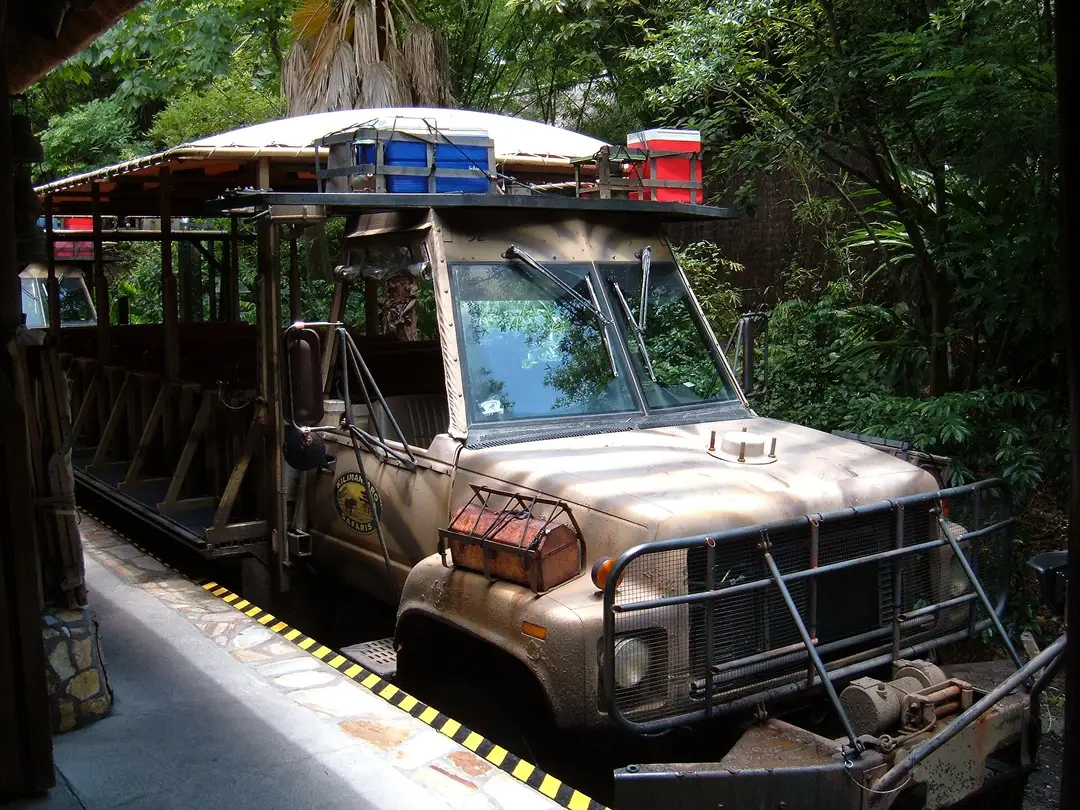
- Safari vehicles are custom-built to resemble real bush trucks and carry up to 32 guests per run across the habitat