
Beating the Florida heat with young kids
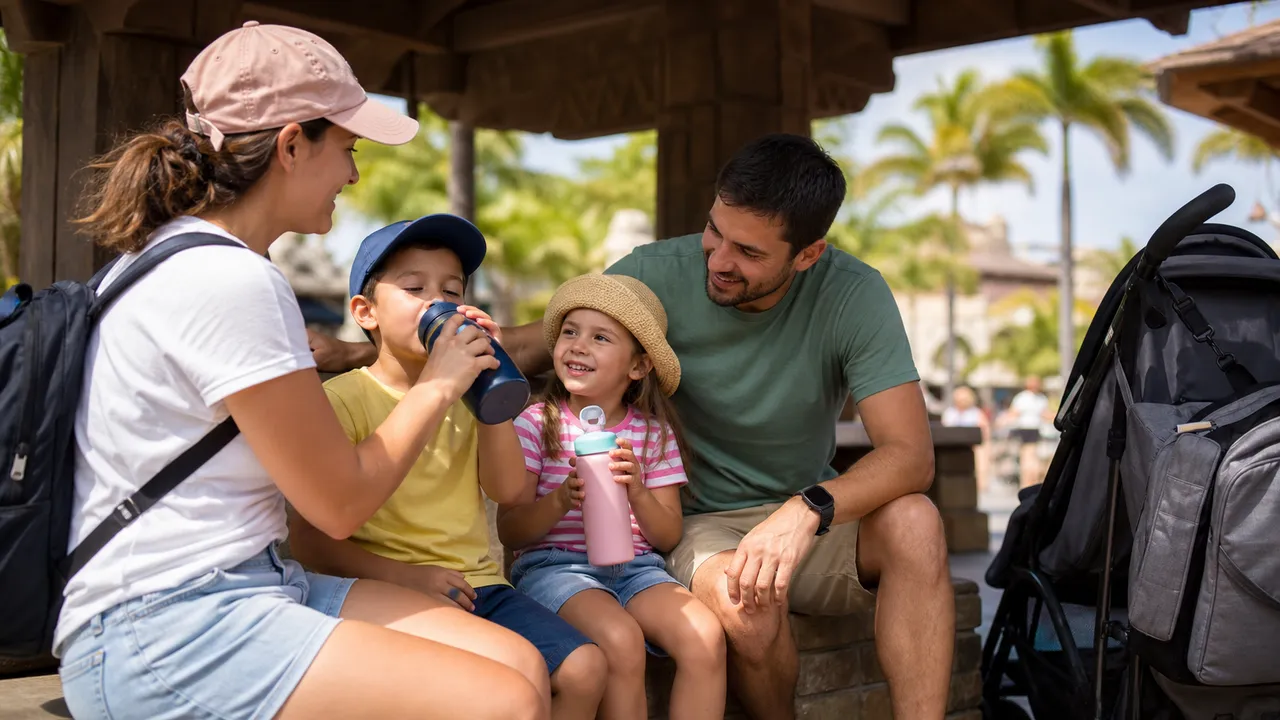
Florida heat sneaks up on visitors who aren't used to it — especially with kids, who overheat faster than adults and are often too distracted to notice until they're already cranky, flushed, or done for the day. A little scheduling around the heat makes a bigger difference than almost anything else you can plan for.
Know the actual danger window
Orlando's heat isn't just about temperature — it's the combination of heat and humidity that makes the afternoon genuinely risky for young kids. Roughly 12 p.m. to 4 p.m. is the window to plan around, especially outside of winter. That's not "avoid the parks" — it's "avoid being in direct sun, standing in outdoor lines, during those hours."
Build your day around it, not against it
- Front-load outdoor attractions and walking into the morning, before the worst heat sets in. Save air-conditioned rides, shows, and shopping for the early afternoon window.
- Treat midday as a scheduled break, not a fallback. Head back to the hotel if that's realistic, or plan a long lunch somewhere indoors and air-conditioned. See our guide to low-key, indoor attractions for options that double as a genuine cool-down.
- Evening is often the best touring window in summer — cooler temperatures, often shorter lines, and better lighting for photos. Don't feel obligated to leave right after the midday lull.
Hydration that actually works for kids
- Offer water on a schedule, not just when they ask. Kids often don't recognize thirst until they're already behind on fluids.
- Refillable water bottles are worth the extra bag weight. Most parks have free water refill stations, and skipping repeated bottled-water purchases adds up over a multi-day trip.
- Electrolyte packets or freeze pops help on the hottest days, especially for a kid who's resistant to "just drink more water."
Sun protection basics
- Reapply sunscreen more than you think you need to — sweat and pool/water rides both wear it off faster than a normal day.
- A hat and light, breathable clothing do real work. Dark, heavy clothing traps heat fast in Florida humidity.
- Use the shade intentionally. Queue lines often have shaded sections; when there's a choice, take it even if it looks slightly longer.
Warning signs to actually watch for
Know the difference between "cranky and tired" and something that needs immediate attention:
- Heat exhaustion signs: heavy sweating, pale or clammy skin, dizziness, nausea, headache, or unusual fatigue. Get the child into shade or air conditioning immediately, offer water, and cool them with a damp cloth.
- Heat stroke signs (more serious): hot, dry or flushed skin, confusion, or a notably high body temperature. This needs immediate medical attention — every park has first aid stations, and Team Members and cast members can direct you fast.
Catching heat exhaustion early, and just stopping to cool down, is almost always enough. The goal isn't to avoid ever feeling hot — it's to notice early and respond before it escalates.
Final thought
A good hot-weather park day isn't the one with the most rides — it's the one with a built-in midday retreat, a water bottle that actually gets used, and adults who are watching for the early signs instead of pushing through them. Plan around the heat and the rest of the day gets a lot easier.
ParksLog is an independent project, not affiliated with any theme park or entertainment company mentioned. All names and trademarks belong to their respective owners. Information may change — always confirm details directly with the park before your visit.